What Is Sport for Social Impact? How Football Opens Doors for Youth in Liberia
Ashfall United · 26 May 2026
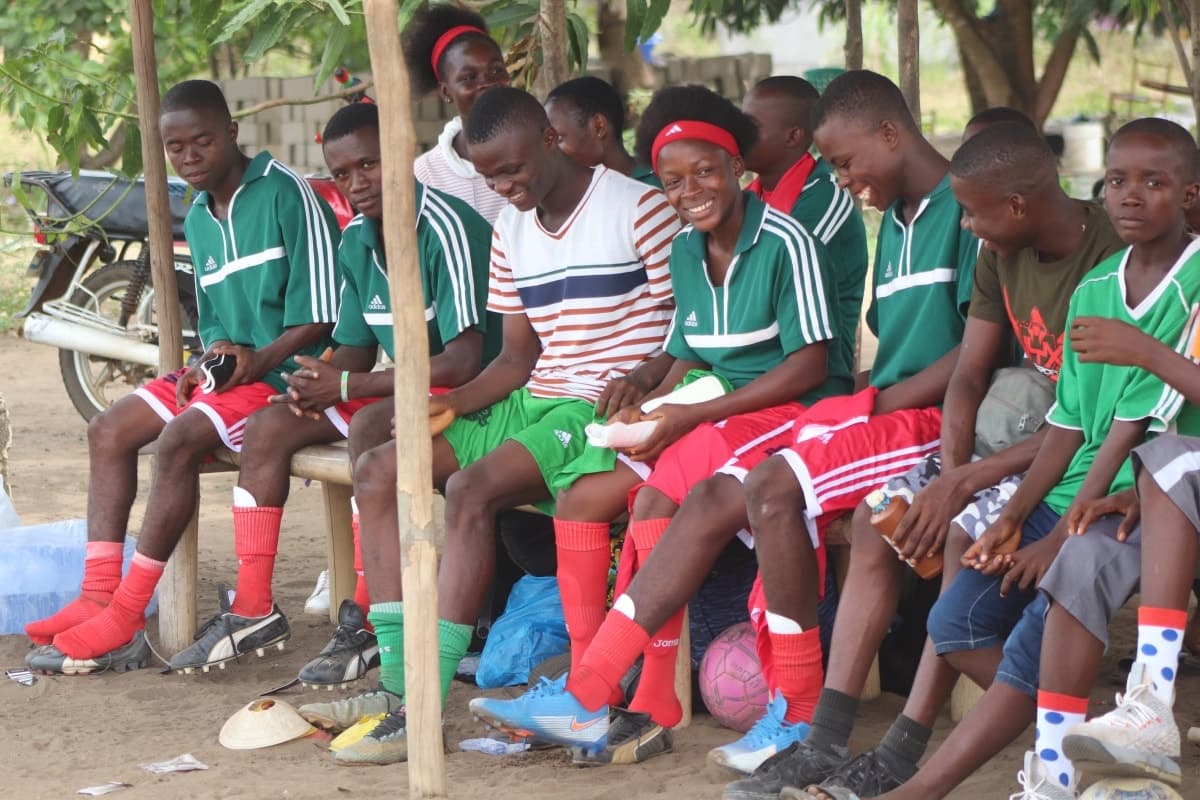
Sport for social impact means using football to change lives—not only to win matches. At Ashfall United in Monrovia, the scoreboard matters, but so do school attendance, health, confidence, and leadership. We use the pitch as a classroom where young people learn to control themselves, support each other, and imagine a future they can build.
Why football works in Liberia
In Monrovia and across Liberia, football is already everywhere—street games, community derbies, conversations that start with last night's match. That passion is a gift. The challenge is turning passion into pathways: coaching, safeguarding, competition, and support that lasts beyond one season.
Sport for social impact closes that gap. It meets young people where they already are, earns trust quickly, and opens doors to education, healthcare, and mentorship that can be harder to access cold.
From informal play to intentional development
Informal football builds joy and skill. Structured programmes build discipline, opportunity, and accountability. Ashfall United combines both worlds: we respect the culture of community football and add what is often missing—trained coaches, regular schedules, leadership lessons, and clear routes from academy football to national competition.
Our first team proves the model can stretch further than many expect. Ashfall United is the first club in Liberia to compete in the national third division with an all U-18 squad. That choice sends a message: when you invest in young people seriously, they can meet serious challenges.
Total football with a social purpose
Our playing identity is total football—players who understand space, share responsibility, and adapt to what the game demands. We train for control and dominance: secure possession, calm decisions under pressure, and collective organisation so individuals can express themselves without losing the team.
That style is not separate from social impact—it teaches it. A midfielder who scans the field learns awareness. A defender who steps forward learns courage. A squad that presses together learns mutual trust.
Leadership as a taught skill
Social impact fails when programmes only produce players who can perform drills but not navigate life. We teach leadership explicitly: communication, conflict resolution, punctuality, respect for officials, and care for younger players in the academy.
Leadership is why our U-18 players can handle third-division football. They are coached to think, not only to run.
The three outcomes we watch
When sport for social impact works, you see it in three places:
- On the pitch — Improved technique, tactical understanding, and competitive opportunity.
- In the body and mind — Better health habits, resilience, and access to support when needed.
- In the classroom and community — Stronger attendance, life skills, and pride in representing something larger than oneself.
Ashfall United tracks all three through our sport, health, and education programmes—because a young person's life does not stop when training ends.
What success looks like
Success is not only a professional contract—though we want pathways to exist. Success is a player who stays in school, avoids preventable injury, speaks up for teammates, and becomes a role model on their block. Success is a community that sees the club as theirs.
Over four years we have reached 5,000+ young people in Monrovia. That scale matters for impact; our standards matter for quality.
Join the mission
Sport for social impact grows when more people stand inside the circle—not only on the sidelines. You can donate, volunteer or partner, or support the club shop. Every contribution helps us keep programmes accessible and ambitious—including a first team that is already making Liberian football history.
Read more about who we are and what we are building for the next generation.